VIII LEGISLATURE 1998-2003
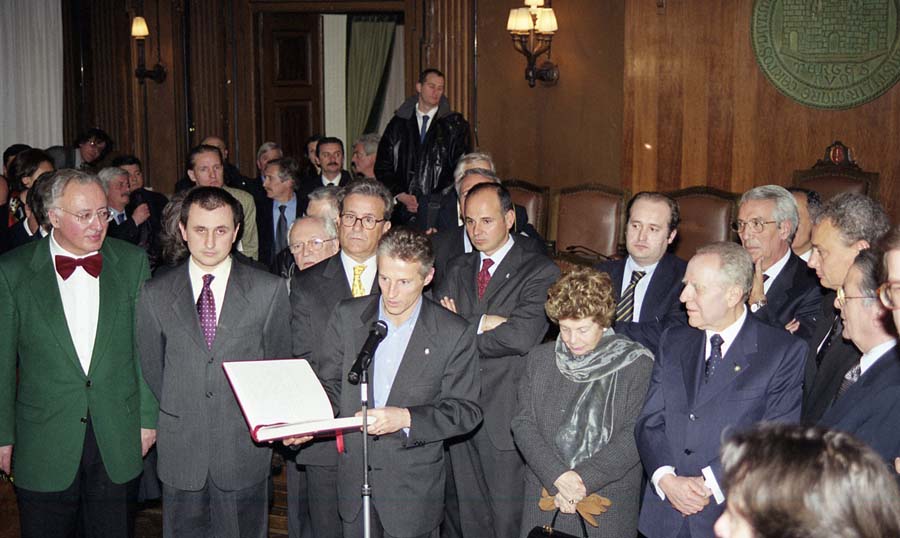
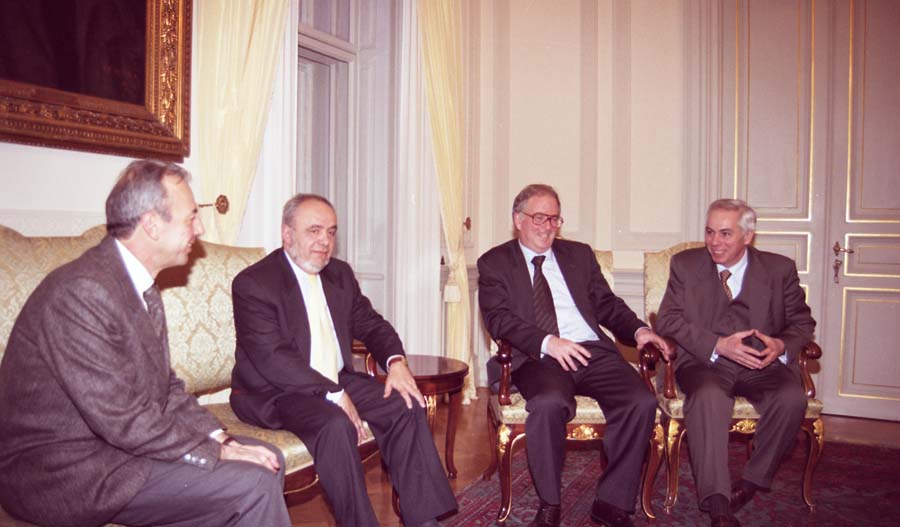
The main regulatory measures of the Legislature are aimed at reorganizing and rationalizing regional government and administration. See, in particular, Regional Law No. 13 of November 9, 1998, and in particular Article 127, which establishes a single regional and local public employment sector; Law No. 8 of April 17, 2000, which introduces new rules on the organization and functioning of the Regional Council with the aim of giving concrete effect to the principle of its functional, organizational, and accounting autonomy (subsequently repealed by Regional Law 14/2022 except for the rules relating to the secretariats of the council groups); Finally, the Consolidated Law on administrative procedure and right of access (Regional Law No. 7 of March 20, 2000) and the establishment of the Single Desk for Productive Activities (SUAP) (Regional Law No. 3 of February 12, 2001). The Regional Assembly is also committed to protecting women who are victims of violence through the implementation of anti-violence projects and the establishment of centers for women in difficulty (Regional Law No. 17 of August 16, 2000) and to monitoring, preventing, and providing information on situations involving asbestos risk (Regional Law No. 22 of September 12, 2001). Particular attention is also paid to tourism and heritage protection with the enactment of the Organic Regulation of Tourism, with Regional Law No. 2 of January 16, 2002, and the establishment of the Villa Manin Special Agency with Regional Law No. 32 of December 9, 2002, the forerunner of the current Regional Agency for Cultural Heritage (ERPAC). On February 23, 2000, the President of the Republic, Carlo Azeglio Ciampi, visited Trieste and was received by the then President of the Regional Council, Antonio Martini.